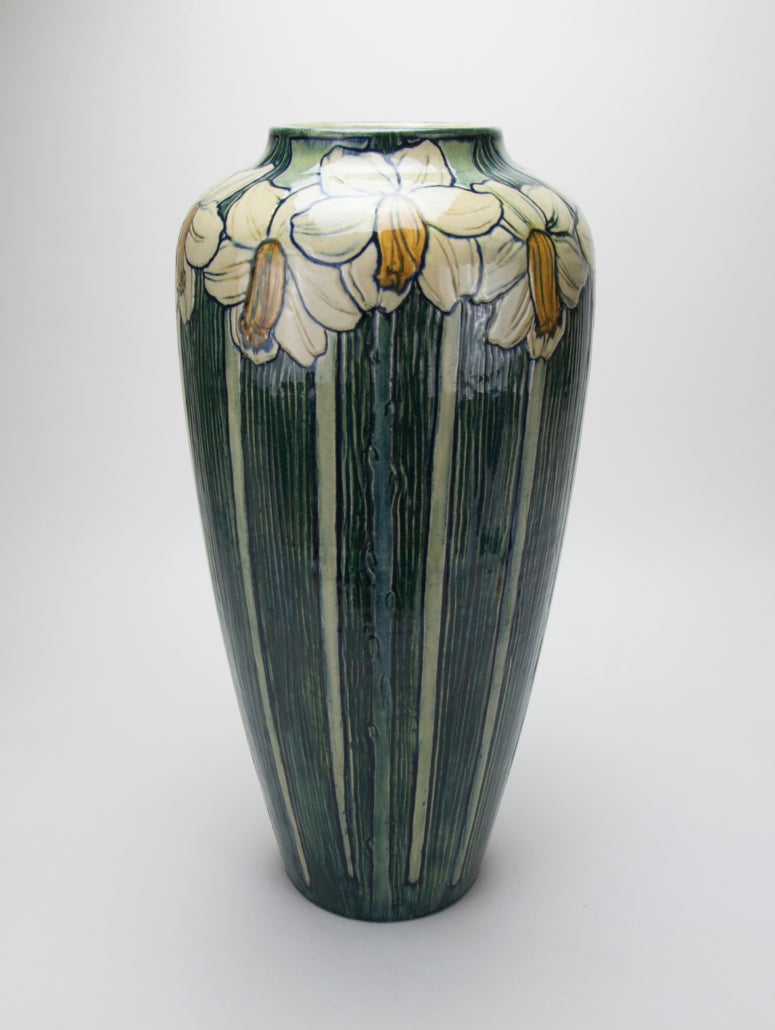
The Moss Mystique: Southern Women and Newcomb Pottery
- DURATIONFebruary 5 – December 4, 2026
- RECEPTIONThursday, March 5, 2026, 5:30 – 8:30 p.m
- CURATED BYThe Moss Mystique: Southern Women and Newcomb Pottery is co-organized by Telfair Museums and the Newcomb Art Museum of Tulane University and curated by Dr. Elyse D. Gerstenecker.
- ARTISTS & POTTERSAurelia Coralie Arbo, Henrietta Davidson Bailey, Mary Frances Baker, Alice Burkenroad, Marie Odelle “Odile” Delavigne, May Louise Dunn, Esther Huger Elliott, Francis A. Ford, Jules Gabry, Juanita Louise Gonzales, Elizabeth Antoinette Horner, Jonathan Browne Hunt, Sarah Agnes Estelle “Sadie” Irvine, Harriet “Hattie” Coulter Joor, Irene Borden Keep, Kenneth Eugene Smith, Roberta Beverly Kennon, Katharine Kopman, Emilie de Hoa LeBlanc, Marie de Hoa LeBlanc, Sarah Bloom Levy, Ada Wilt Lonnegan, Corrina Morgiana Luria, Alma Florence Mason, Joseph Fortune Meyer, Leona Fischer Nicholson, Charlotte Payne, Elizabeth Goelet Rogers, Desiree Roman, Mazie Teresa Ryan, Alice Raymond Scudder, Mary Givens Sheerer, Erin “Effie” Shepard, Alma Simmons, Anna “Fanny” Frances Connor Simpson, Alice Rosalie Urquhart, Sabina Elliott Wells, and unknown Newcomb artisans
- EVENTS & PROGRAMS
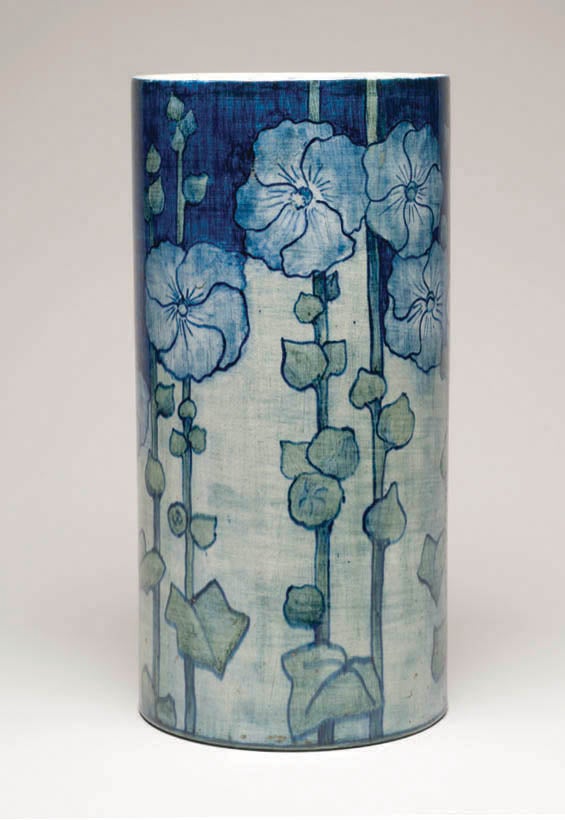
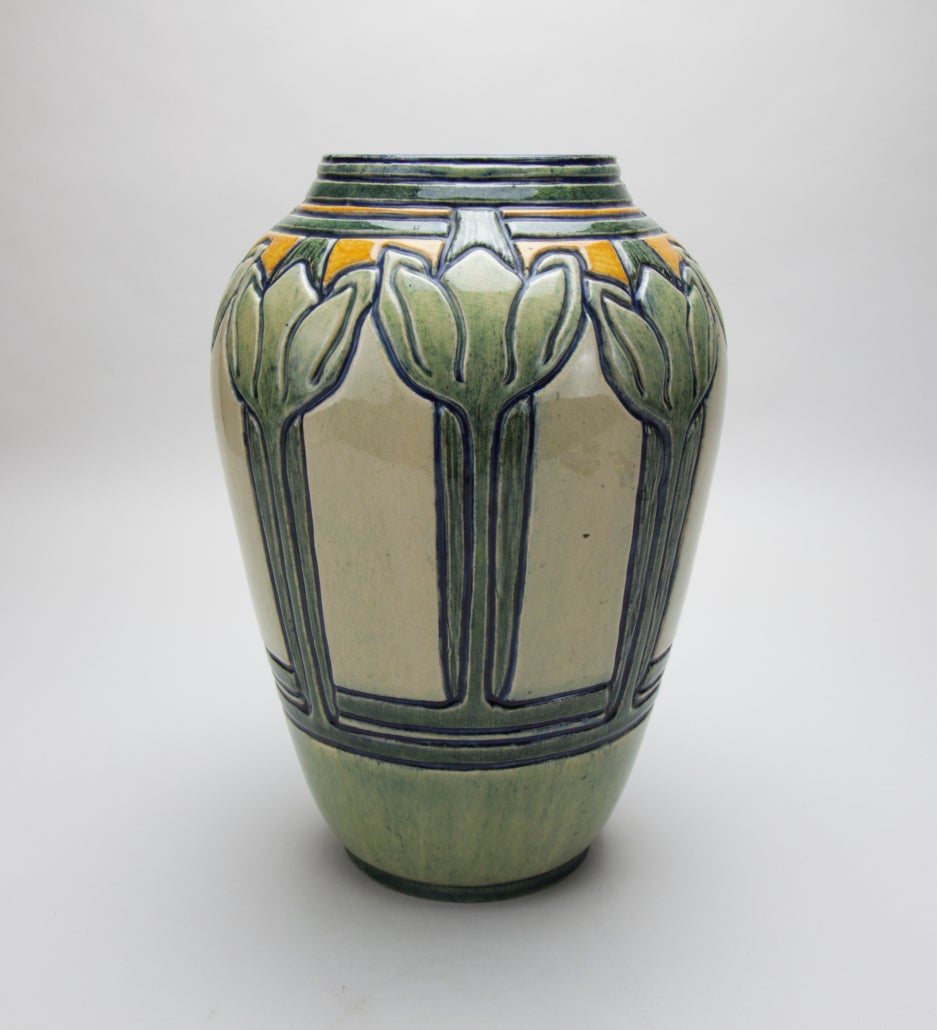
Ada Wilt Lonnegan (aka Mrs. George F.) (1879–1963) designer; Joseph Fortune Meyer (1848–1931), New Orleans, LA) potter; Vase with Hollyhock Design,1901; underglaze with glossy finish on white clay body; Newcomb Art Museum, 2009.5.1

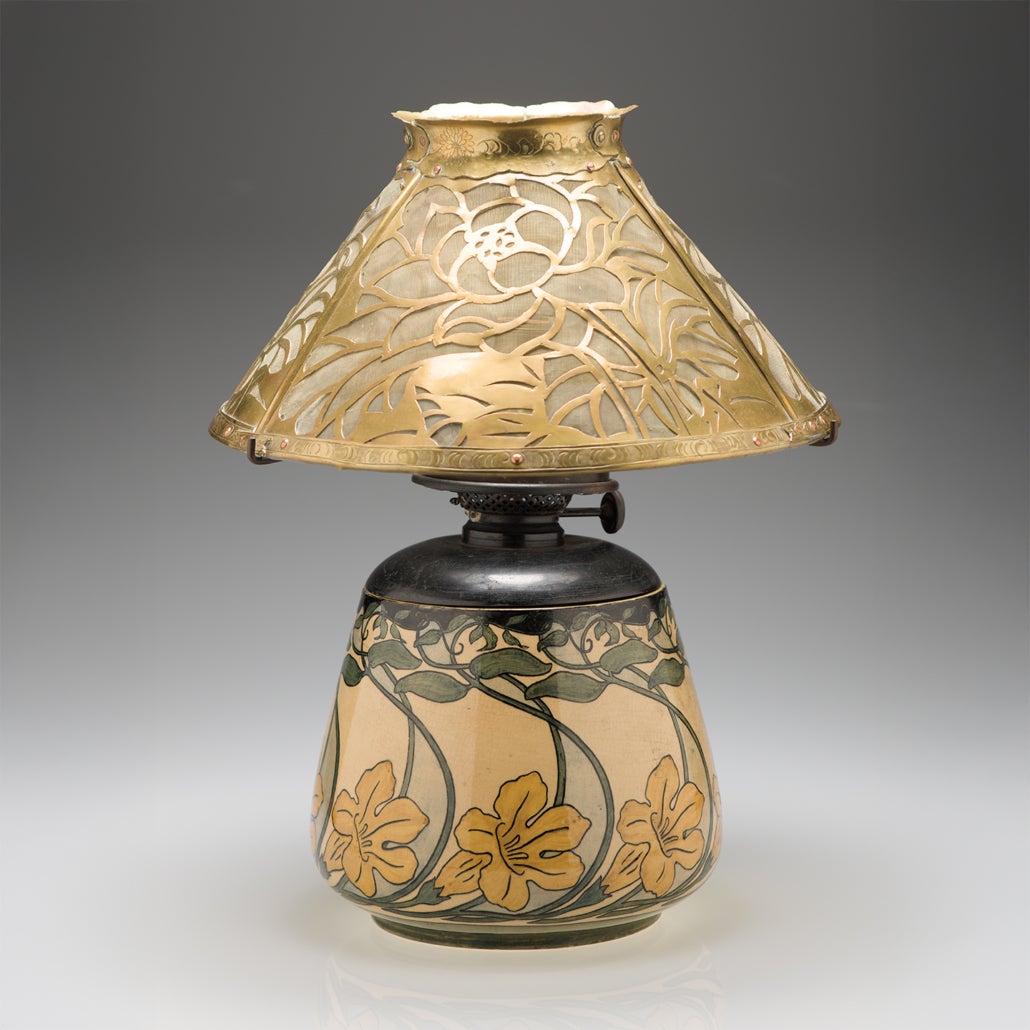
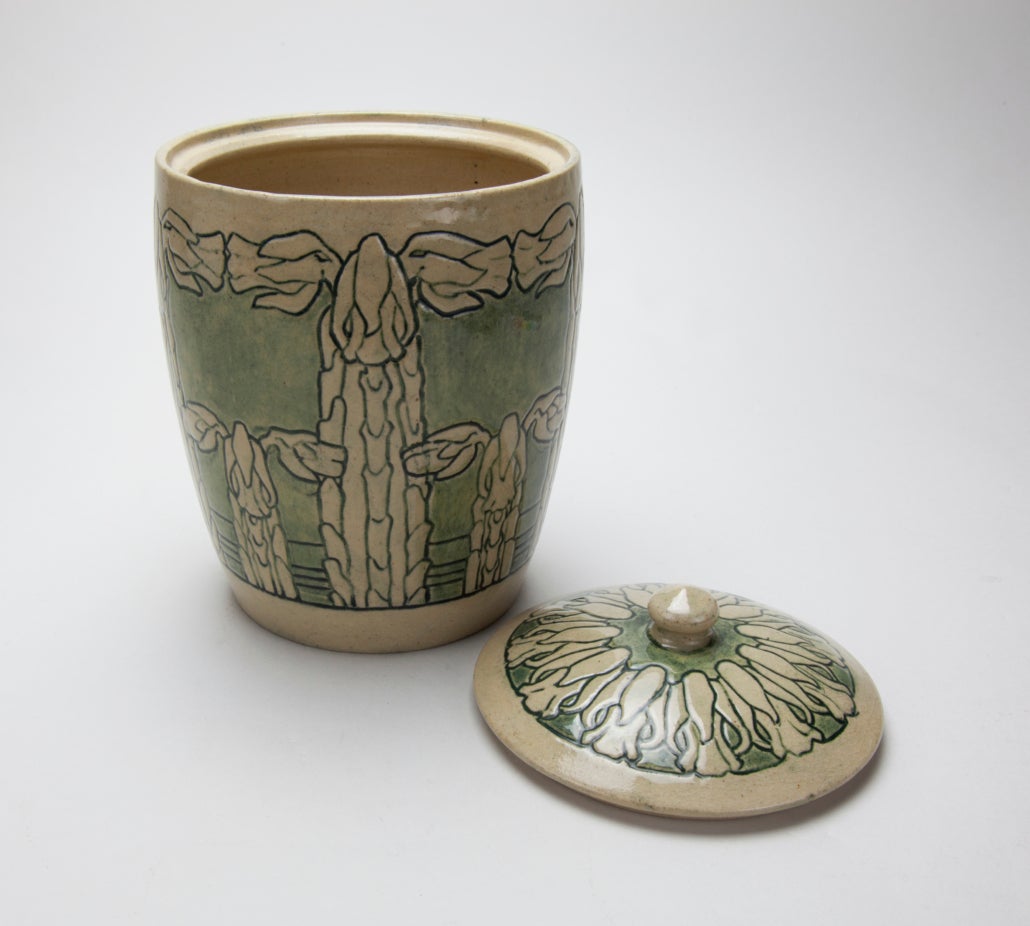
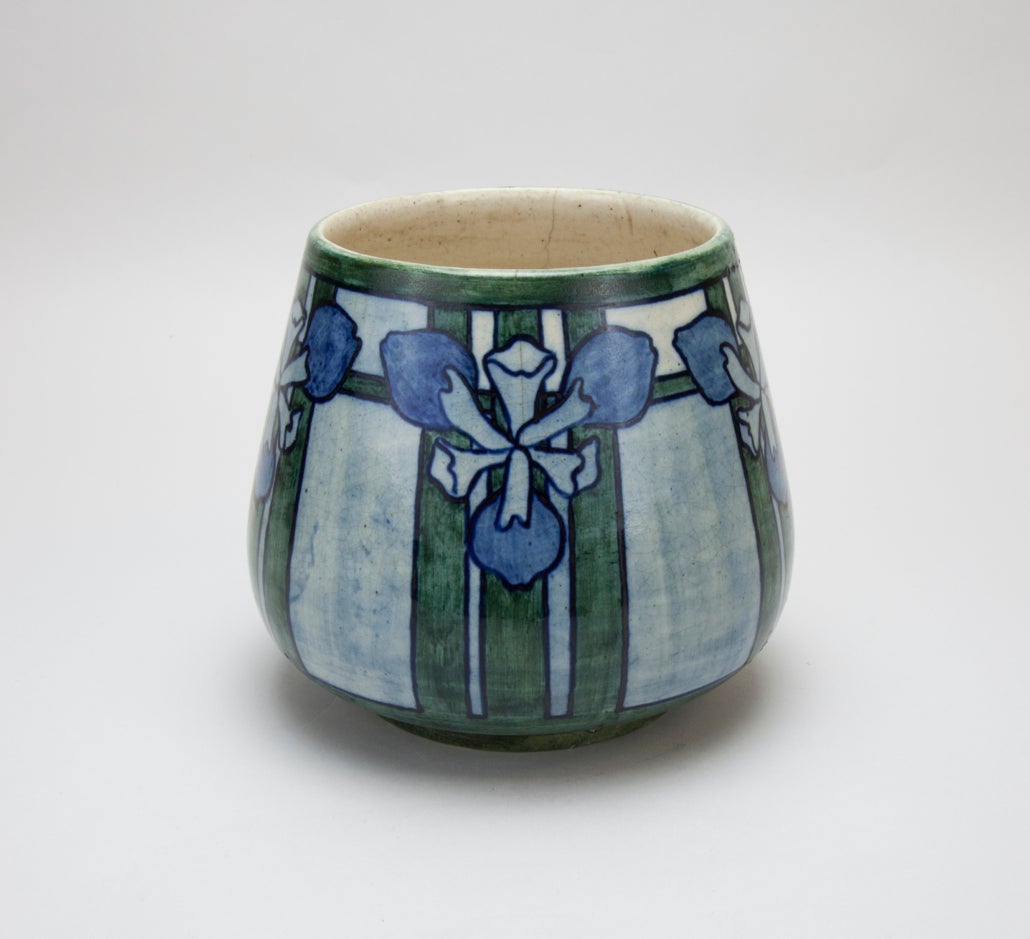
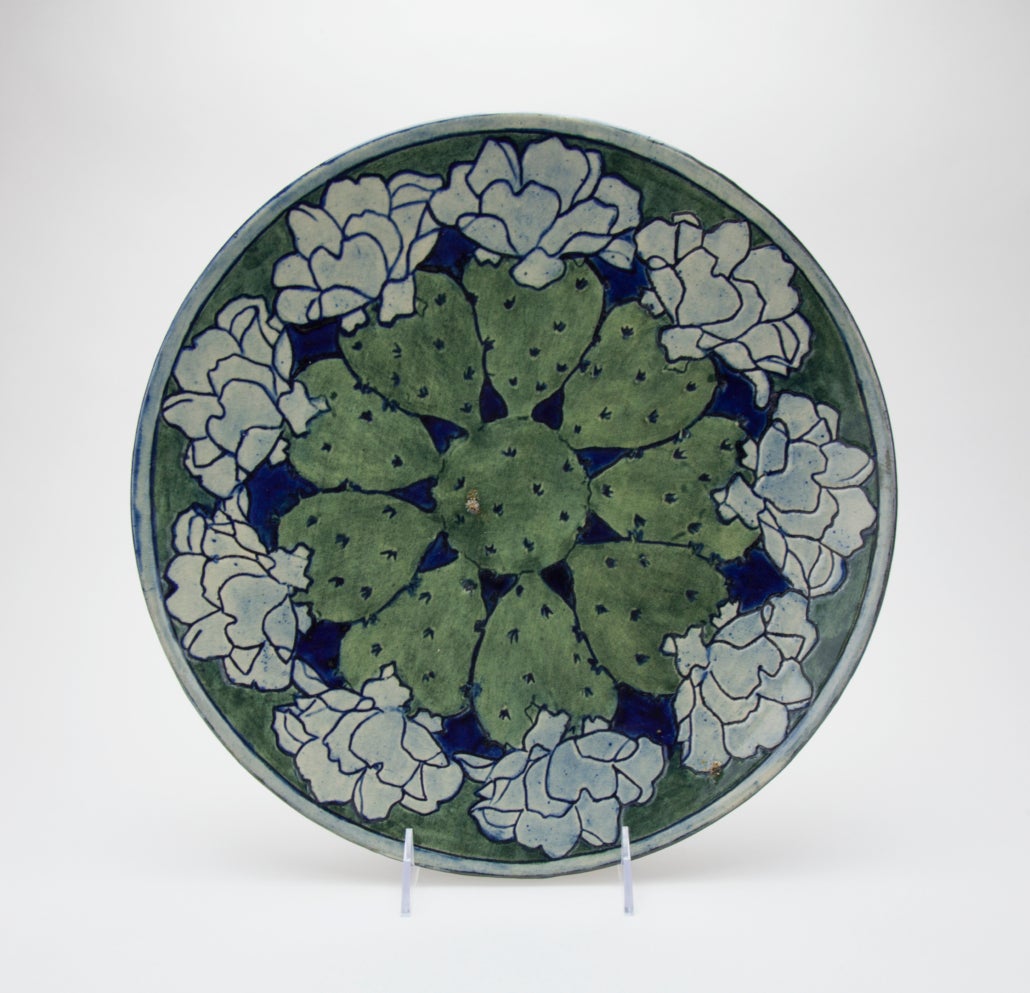
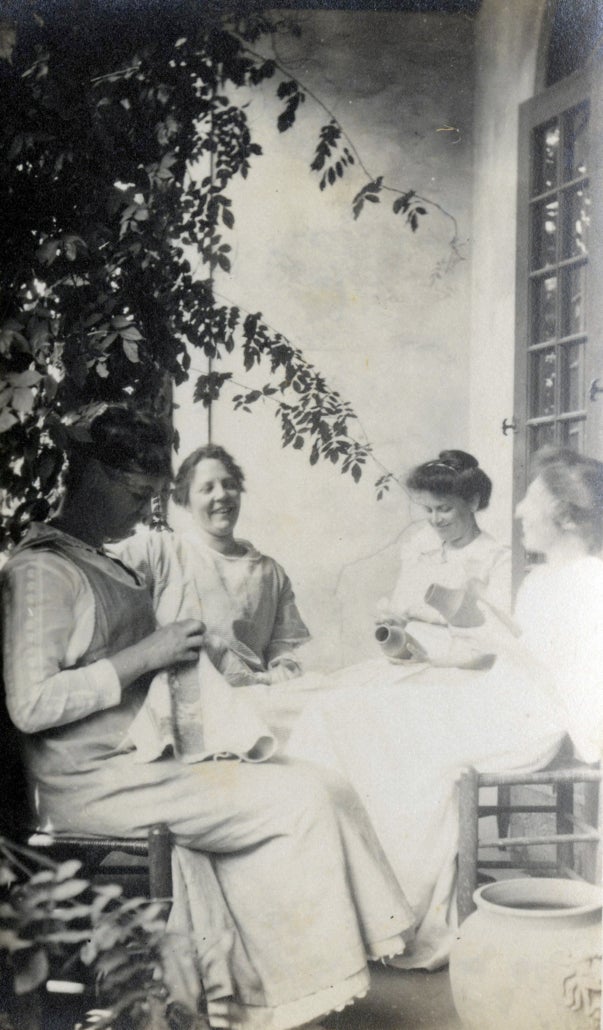
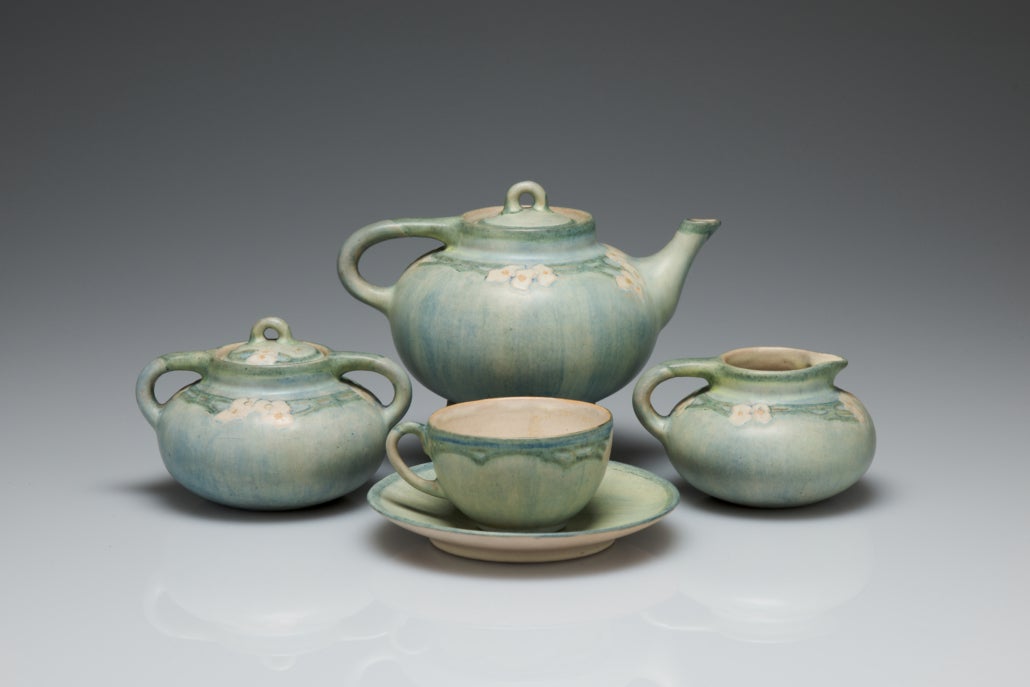
Founded in 1895 at the H. Sophie Newcomb Memorial College in New Orleans—a women’s higher education institution affiliated with Tulane University—Newcomb Pottery emerged as a commercial enterprise designed to put women’s artistic training into professional practice. While male potters shaped the ceramic forms using clays sourced throughout the South, women designers were responsible for surface decoration, drawing inspiration from the region’s plants and wildlife. The pottery quickly gained international recognition for its craftsmanship and its perceived authenticity in representing Southern identity. These strong ties to place endure today, long after the pottery’s closure in 1939.
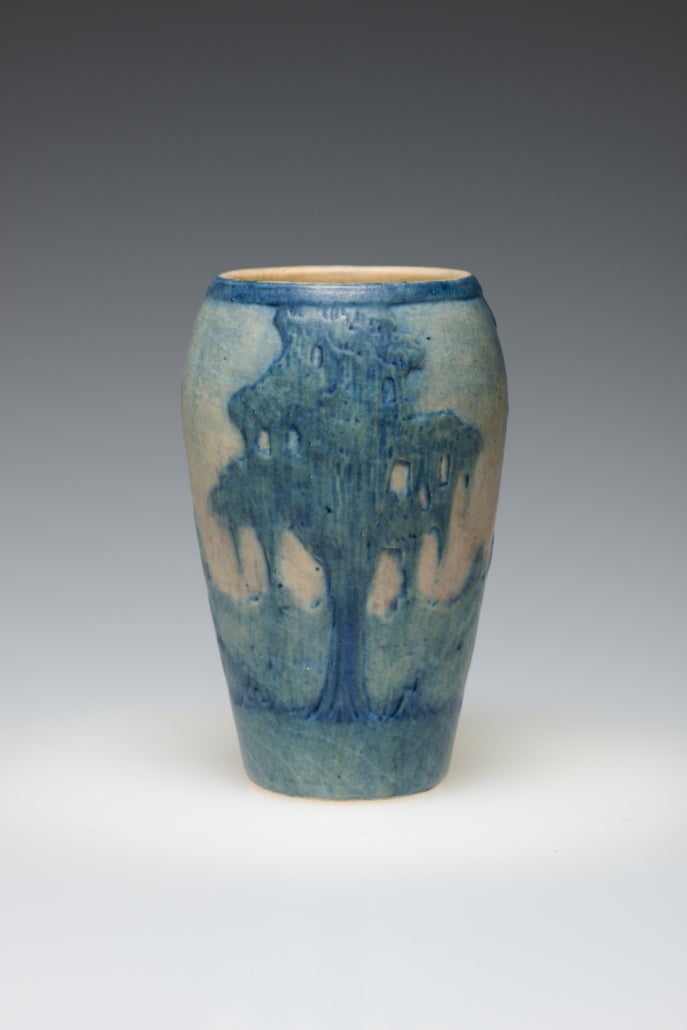
The Moss Mystique: Southern Women and Newcomb Pottery examines the material practices, imagery, and regional affiliations of Newcomb Pottery, exploring how its artists visualized—and helped define—ideas of place in the American South. Through depictions of local flora, landscapes, and natural forms, the exhibition invites visitors to reconsider how regional identity is constructed, sustained, and transformed over time.
The Moss Mystique: Southern Women and Newcomb Pottery is co-organized by Telfair Museums and the Newcomb Art Museum of Tulane University and curated by Dr. Elyse D. Gerstenecker.